

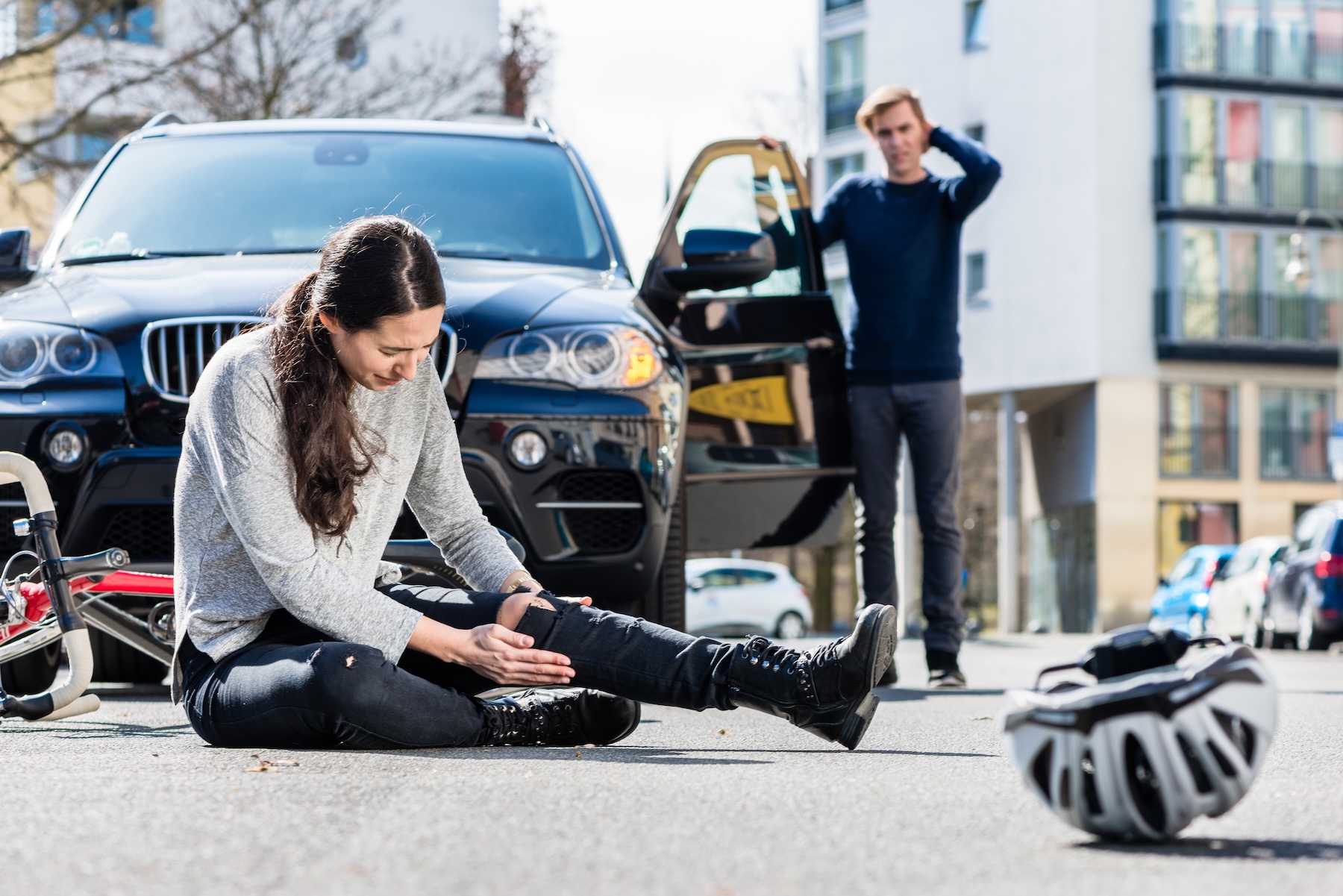
The 4 Steps To Proving Liability in An Accident Case
After an accident, one question often weighs heaviest: who was at fault, and how do you show it? Proving liability in accident lawsuits can feel overwhelming when you are also healing, missing work, and facing mounting bills. The good news is that the process follows a clear structure, and you do not have to figure it out alone. At WCW Injury Lawyers, we help injured people across Louisiana understand their rights, gather the right evidence, and build claims that hold negligent parties accountable. In this guide, you will learn the four elements of negligence, the proof that supports each one, and why timing can make or break your case.
What Negligence Really Means
Most personal injury claims rest on negligence. In plain terms, negligence happens when someone fails to act with the care a reasonably careful person would use in the same situation. It is rarely about intentional harm. Instead, it usually involves carelessness that leads to someone else getting hurt.
To win an accident claim, you must connect four pieces together: duty, breach, causation, and damages. Each one builds on the last. Skip a step, and the claim weakens. Prove all four, and you create a strong foundation for recovery.
How to Prove Negligence in Louisiana
Proving liability in accident lawsuits requires establishing the following four elements. Think of them as a sequence, where each step naturally connects to the next.
1. Duty of Care
First, you must show the other party owed you a duty. Drivers must follow traffic laws and pay attention to others on the road. Property owners must keep their premises reasonably safe. This duty often exists simply because of the relationship between the parties.
2. Breach of Duty
Next, you must prove the other party broke that duty. A driver who texts behind the wheel breaches their duty. A store that ignores a known spill does the same. The question is always whether their conduct fell short of what a careful person would do.
3. Causation
Then, you must connect that breach directly to your injury. This element carries real weight, and we will break it down in the next section.
4. Damages
Finally, you must show real harm. That harm can be physical, financial, or emotional. Without actual damages, a negligence claim cannot succeed, even when someone clearly acted carelessly.
When you understand these four elements, the burden of proof for personal injury in Louisiana becomes far less mysterious. You simply prove each piece with credible evidence.

Understanding Causation
Causation often trips people up, so let’s simplify it. Courts look at cause-in-fact and proximate cause in liability lawsuits, and both must line up.
- Cause-in-fact answers a simple “but for” question. But for the other party’s actions, would you have been injured? If the answer is no, this part is satisfied. For example, but for a driver running a red light, the crash would not have happened.
- Proximate cause asks whether your injury was a foreseeable result of that conduct. A collision is a foreseeable result of speeding through an intersection. This step keeps liability tied to harm a careful person could reasonably expect.
When both connect, you bridge the gap between the careless act and the injury you suffered.
The Evidence That Builds a Strong Case
When proving liability in accident lawsuits, strong claims rely on strong proof. The right evidence demonstrates what happened and ties the at-fault party to your harm. Depending on your situation, helpful evidence may include:
- Photographs and videos of the scene, hazards, vehicle damage, and visible injuries.
- Eyewitness statements from people who saw the event unfold.
- Accident reports created by police, employers, or property owners.
- Medical records that document your injuries and link them to the incident.
- Maintenance records and logs showing a property owner or company ignored a known hazard.
- Expert testimony from accident reconstructionists or medical professionals when a case involves technical questions.
You will not need every type of evidence in every case. Instead, the goal is to gather proof that fits your specific circumstances and clearly supports each element of negligence.
Why Acting Quickly Matters
Time works against injured people, so move with purpose. Evidence can disappear surprisingly fast. For example, surveillance footage could be overwritten, the vehicles involved could get repaired, and physical hazards can be cleaned up. Meanwhile, witnesses forget can forget details as more time passes.
By contacting an attorney early, you give your case its best chance. A legal team can preserve evidence, interview witnesses while their memories are fresh, and start building a strong claim. Quick action also signals to insurers that you take your rights seriously, which can shape how they respond throughout the process.
Need Legal Help Proving Liability in Accident Lawsuits?
Proving liability in accident lawsuits comes down to four elements, the right evidence, and timely action. When you understand duty, breach, causation, and damages, you can see how each piece supports your right to recover. Still, no one should navigate this alone while trying to heal. The legal team at WCW Injury Lawyers can help you preserve evidence, meet the burden of proof for personal injury in Louisiana, and pursue the full compensation you deserve.
If an accident has turned your life upside down, take the next step now. Call 225-383-4010 or message us online for a free consultation. Let us help improve your chances of getting the settlement you deserve.